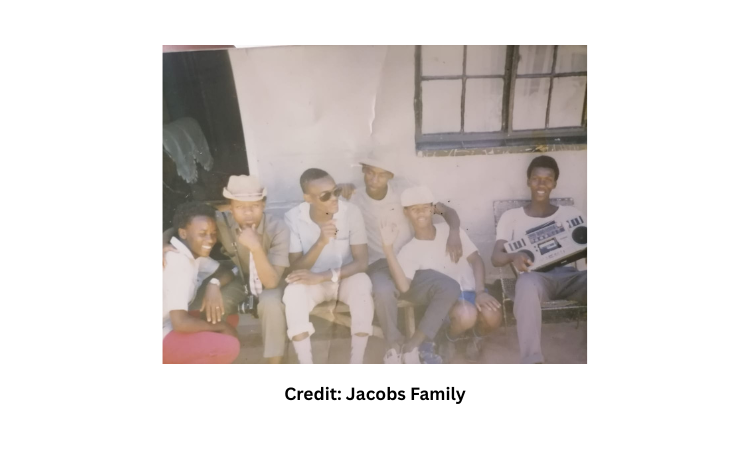
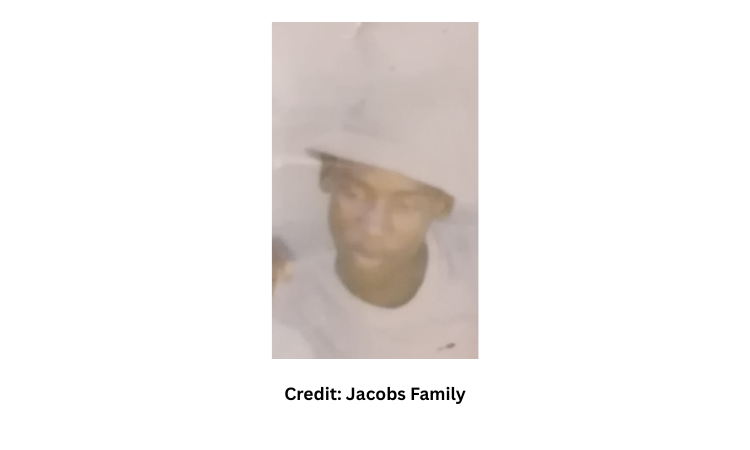
Mxolisi Johannes “Dicky” Jacobs was a committed youth activist aligned with the United Democratic Front (UDF) in Upington, Northern Cape. Born into a time of escalating repression, he became a visible critic of apartheid policies and mobilised young people in resistance campaigns. He was arrested by the Security Branch in June 1986 during a pre–June 16 crackdown and detained under the State of Emergency for 129 days at Upington Prison, during a time marked by widespread mass arrests and the suspension of basic legal protections for political detainees. Many young activists during this period were tortured by the security police in Upington. During his detention, Mxolisi was kept in solitary confinement in the white section of the prison and was not permitted visits by his family, legal team or any independent institution except for visits by the Security Police. His brother Bonakele Jacobs and fellow political activist Mawushe Selby Nomganga were also detained in solitary confinement in the prison’s white section. Meanwhile, other political activists detained in communal cells in the black section at Upington Prison held a hunger strike in protest of their detention without trial.
Mxolisi’s aunt, Matilda Nonzame Jacobs, recalled how, just days before his death, a Security Branch officer chillingly warned her: “I don’t think you are ever going to see Dicky Jacobs again.”
On 22 October 1986, Jacobs was allegedly found hanging in his cell at Upington prison. His family were informed that he had committed suicide by hanging. This version of events was questioned by fellow detainees and by his family, who challenged the circumstances surrounding his death.
The Jacobs family were called to the police station to view Mxolisi’s body. His grandfather, Johannes Jacobs, gave evidence to the Truth and Reconciliation Commission that “When we saw the corpse, we looked at the neck time and time again and there was just no evidence that he had hung himself. The T-shirt they said he had used to hang himself was lying next to him. His mouth was closed, his lips pursed together like someone who had just died.”
These doubts were shared by Jacobs’ aunt, Josephine Nolulama Plesssie, who recalled how they were blocked from properly viewing the body: “We knew it was our right to see the body because they said he had hanged himself. But Basson [a prison officer] refused. When I looked through a small window, I saw a red spot on his neck. I said to myself, yes, that is why they won’t allow us to see him—he didn’t hang himself.”
The Jacobs family asked to see the cell where he had died; however, the police refused to show them. Bonakele Jacobs, Mxolisi’s brother, was refused his request to attend his brother’s burial, and remained in detention until 13 November 1986.